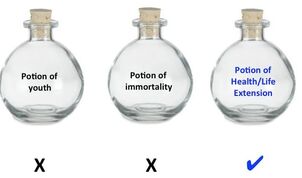
The word “senolytic” comes from “senescence” and “lytic” which in biology and medicine is used to mean destruction. Senescence refers to the process by which cells stop dividing and growing. Senescent cells accumulate in the body as a result of aging or exposure to stressors including chronic infections, radiation and chemotherapy (see my post on telomeres as a marker for cellular senescence or aging) .
Whereas normal cells cycle through stages when they grow, divide and eventually die, senescent cells can remain alive and appear “zombie”, a state that involves the release of factors that affect neighboring cells. The presence of important amounts of senescent cells in our bodies as we age may induce several conditions such as osteoporosis, osteoarthritis and vascular disease.
Whereas normal cells cycle through stages when they grow, divide and eventually die, senescent cells can remain alive and appear “zombie”, a state that involves the release of factors that affect neighboring cells. The presence of important amounts of senescent cells in our bodies as we age may induce several conditions such as osteoporosis, osteoarthritis and vascular disease.
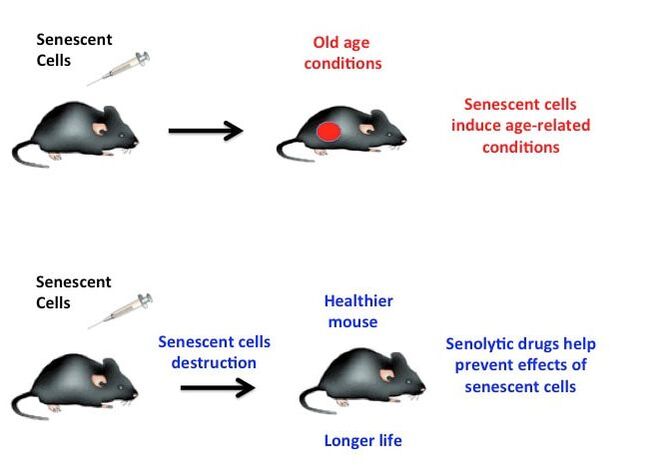
Senolytics, an emerging and exciting field, is in its early stages so most trials for drugs to date have been conducted in mice (see my animal models post). A pioneer study by a team from the Mayo Clinic published in 2011 using mice with engineered “traceable” senescent cells and then a system by which these would be selectively eliminated showed that there was a delay in the appearance of age-related conditions and the lifespan of these mice was increased by about 20-205%, indicating that the removal of senescent cells leads to a healthier and longer lifespan in this animal model.
A more recent study was published last year (2018) showing that in a senescence animal model, a combination of two existing drugs (dasatinib and quercetin) prevented cell damage, eliminated the senescent cells from tissues and restored function. The same combination of drugs, when administered to normal mice, extended their life (in older mice) and health span (when given to younger mice).
A more recent study was published last year (2018) showing that in a senescence animal model, a combination of two existing drugs (dasatinib and quercetin) prevented cell damage, eliminated the senescent cells from tissues and restored function. The same combination of drugs, when administered to normal mice, extended their life (in older mice) and health span (when given to younger mice).
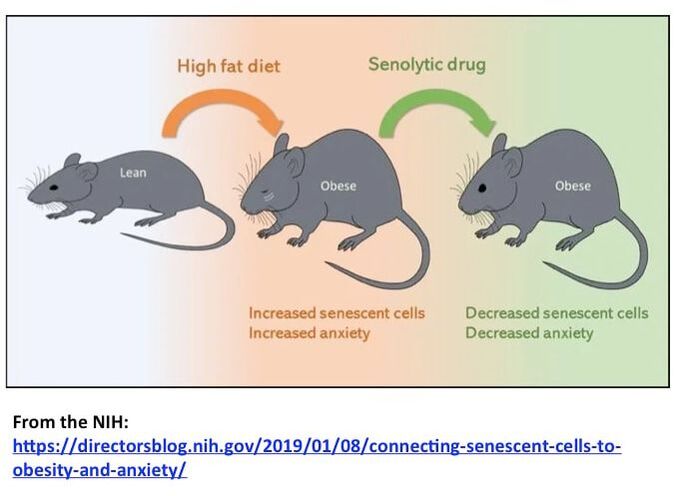
Two exciting senolytics studies in mice published this year used an obesity model. Lean mice, when fed a high-fat diet, become obese, accumulate senescent cells rich in fat content in adipose tissue and their brain’s white matter, and show more anxious behaviors. These obese mice were treated with senolytic drugs in a study that showed that although the mice did not lose the weight, the drugs resulted in clearance of the fat senescent cells in the brain and a noticeable reduction in anxious behavior. The second study with elimination of senescent cells in obese mice demonstrated improvement of obesity-related metabolic complications including low glucose tolerance, inflammation, and kidney and heart function.
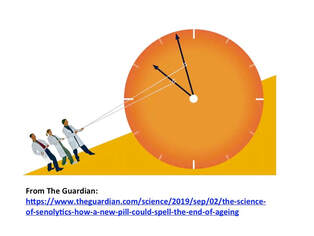
Pre-human clinical trials (see my post on clinical trials) for senolytic drugs are in their early stages, targeting specific conditions such as age-related macular degeneration, glaucoma and chronic obstructive pulmonary disease including emphysema. Much of the research so far has used the mentioned above combination of dasatinib and quercetin. A pre-clinical pilot trial for knee osteoarthritis has already shown some promising results in humans.
Dasatinib is an existing drug used to treat some forms of leukemia; quercetin is a flavonol found in fruits and vegetables such as apples and berries berries, cruciferous vegetables (broccoli, Brussels sprouts, cauliflower, collard greens, cabbage), capers, grapes, onions, shallots, tea, and tomatoes, and many seeds and nuts.
Dasatinib is an existing drug used to treat some forms of leukemia; quercetin is a flavonol found in fruits and vegetables such as apples and berries berries, cruciferous vegetables (broccoli, Brussels sprouts, cauliflower, collard greens, cabbage), capers, grapes, onions, shallots, tea, and tomatoes, and many seeds and nuts.

 RSS Feed