As a follow-up to my previous post on perimenopause (and my hormonal chronology), I venture now into the next phase, menopause, a term thought to come from the Greek words for month (mēn) and pause (pausis). A woman is considered officially in menopause once she has reached 12 months without periods, this occurs at around 50-52 years of age in average in women in the US. Menopause can occur earlier though (and also sometimes abruptly, without the perimenopause leading into it) in a woman’s 30s or even 20s and teen years, as a result of ovarian insufficiency that causes premature menopause, cancer treatment such as radiation and chemotherapy, or hysterechtomy of both uterus and ovaries (not uterus alone), causing periods to stop immediately, usually with hot flashes and other symptoms.
Once (and after) menopause, women are at increased risk of certain health conditions including weight gain, heart disease, and osteoporosis due to bone loss or weakening. Incontinence may occur with involuntary urine loss and a higher risk of vaginal and urinary infection; vaginal dryness may bring pain, bleeding and reduced libido.
Once (and after) menopause, women are at increased risk of certain health conditions including weight gain, heart disease, and osteoporosis due to bone loss or weakening. Incontinence may occur with involuntary urine loss and a higher risk of vaginal and urinary infection; vaginal dryness may bring pain, bleeding and reduced libido.
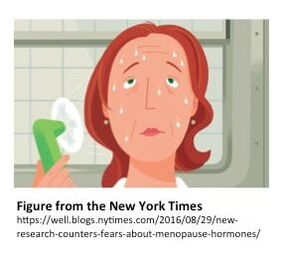
Most of the menopause symptoms and uncomfortable consequences are due to the decrease in hormones produced by the ovaries (estrogen and progesterone), mainly estrogen reduction; other tissues such as the adrenal glands and adipose tissue (fat) make these hormones in minimum quantities. This is why estrogen is an effective treatment for relief of symptoms during the menopausal transition and postmenopausal years including hot flashes (and resulting fatigue and depression associated with lack of sleep) and vaginal dryness and sexual function. Estrogen can be taken as Hormone Replacement Therapy (HRT) with progesterone/progestin (when the uterus is present progesterone is given with estrogen given to prevent endometrial cancer) or without it (when the uterus is absent because of hysterechtomy). HRT however has been and still remains controversial. It was very popular starting in the late 1960s not just for symptoms but also to prevent heart disease and osteoporosis in post-menopause. Estrogen protects from osteoporosis by preventing bone mass loss, and it was FDA approved for osteoporosis prevention in post-menopausal women. Studies published later on scared everybody against HRT, and its use declined afterwards in the new millennium.
A study led by the Women’s Health Initiative (WHI) since the early 1990s that included 27,347 women in the US ages 50-79 on HRT and subsequent no treatment with follow-up of 13 years, was published in 2002 showing increased risk for breast and uterine cancer, as well as heart attack, blood clots and stroke. This study however drew its conclusions from mainly older women (average age 64) who received HRT long after menopause, whereas the recommendation is to start earlier, right after menopause. Subsequent studies and analyses found that when HRT started earlier it did not cause an increased cancer or stroke risk, and it may even protect from heart disease. In 2012-2013 several medical and OB/GYN organizations in the US stated that HRT is an option for menopausal symptoms treatment.
A study led by the Women’s Health Initiative (WHI) since the early 1990s that included 27,347 women in the US ages 50-79 on HRT and subsequent no treatment with follow-up of 13 years, was published in 2002 showing increased risk for breast and uterine cancer, as well as heart attack, blood clots and stroke. This study however drew its conclusions from mainly older women (average age 64) who received HRT long after menopause, whereas the recommendation is to start earlier, right after menopause. Subsequent studies and analyses found that when HRT started earlier it did not cause an increased cancer or stroke risk, and it may even protect from heart disease. In 2012-2013 several medical and OB/GYN organizations in the US stated that HRT is an option for menopausal symptoms treatment.
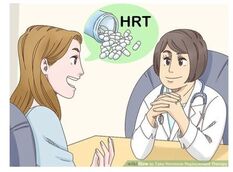
The “HRT or no HRT” decision is an individual one, to be made with your doctor and considering all risk factors that may apply to you including your family history, health and lifestyle, menopause age and severity of menopause symptoms. If HRT is chosen it usually starts at the lowest dose possible, and the patient decides on type from available options (oral/pills, patch or creams).
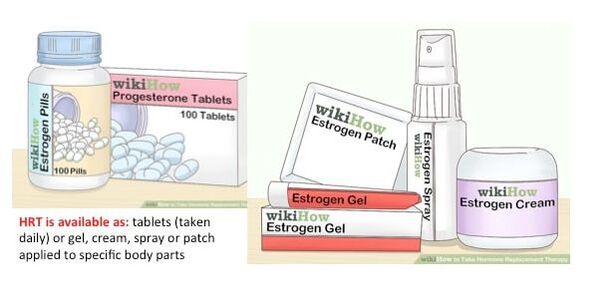
Nowadays there is a variety of different HRT formulations to choose from that come in different forms and dosages, including creams, gels or sprays to be topically applied on the arm or leg or as vaginal suppositories, rings or creams for women that experience uncomfortable vaginal dryness and intercourse; combination of estrogen and progestin as skin patches hidden from sunlight usually used below the waistline on the lower stomach; or tablets (pills) taken daily. When both progestin and estrogen are used (for women with a uterus), called “combined HRT” the regimen can be monthly or every 3 months in a cyclical manner (estrogen daily, progestin only for 14 days) for women still having periods, which will then come monthly or every 3 months respectively, or continuously (both hormones taken daily) for women who are post-menopausal and no longer have periods.
Nowadays there is a variety of different HRT formulations to choose from that come in different forms and dosages, including creams, gels or sprays to be topically applied on the arm or leg or as vaginal suppositories, rings or creams for women that experience uncomfortable vaginal dryness and intercourse; combination of estrogen and progestin as skin patches hidden from sunlight usually used below the waistline on the lower stomach; or tablets (pills) taken daily. When both progestin and estrogen are used (for women with a uterus), called “combined HRT” the regimen can be monthly or every 3 months in a cyclical manner (estrogen daily, progestin only for 14 days) for women still having periods, which will then come monthly or every 3 months respectively, or continuously (both hormones taken daily) for women who are post-menopausal and no longer have periods.
Helpful guidelines and tools towards decision making regarding HRT use are offered by 3 organizations: the American College of Obstetricians and Gynecologists, the North American Menopause Society (NAMS), and the Endocrine Society. NAMS offers a free mobile app called MenoPro with two modes (for clinicians and for women) that can help the female patient and her doctor assess together HRT and non-HRT options taking into account medical history and risk, and links to online tools.
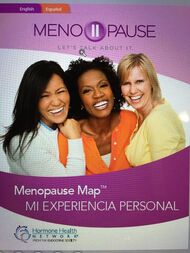
The Endocrine Society, through its hormone health network, has made a very comprehensive Menopause Map - My Personal Path available in English or Spanish, where you can find information (that you can read or listen to) about perimenopause, menopause and early menopause, why hormone depletion matters and options to treat symptoms including lifestyle changes (diet, sleep, exercise, vitamins) and HRT, as well as numerous additional resources such as calculators of risks or vitamin D intake, and several additional informational booklets and videos on a variety of menopause-related topics.
The Endocrine Society, through its hormone health network, has made a very comprehensive Menopause Map - My Personal Path available in English or Spanish, where you can find information (that you can read or listen to) about perimenopause, menopause and early menopause, why hormone depletion matters and options to treat symptoms including lifestyle changes (diet, sleep, exercise, vitamins) and HRT, as well as numerous additional resources such as calculators of risks or vitamin D intake, and several additional informational booklets and videos on a variety of menopause-related topics.

 RSS Feed